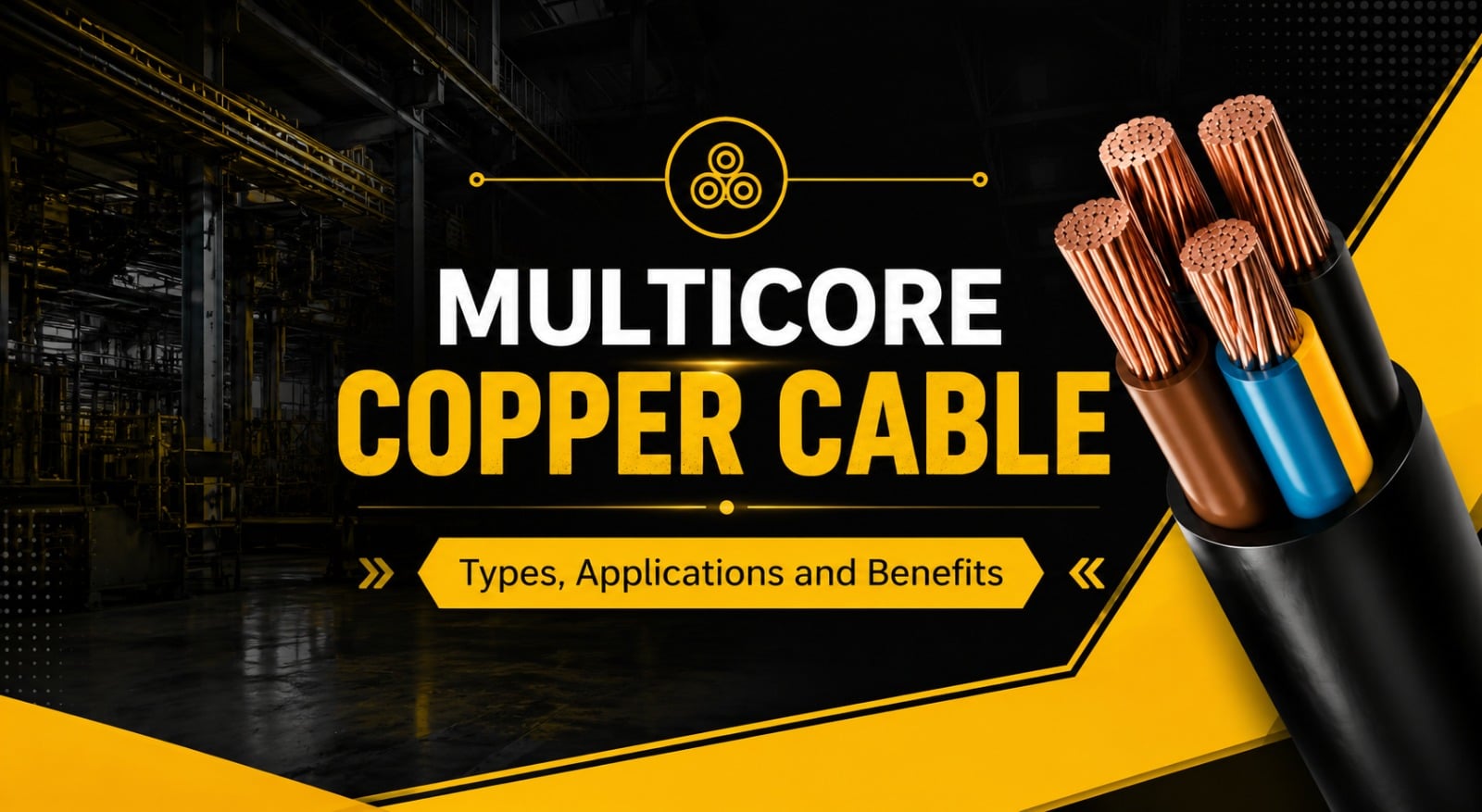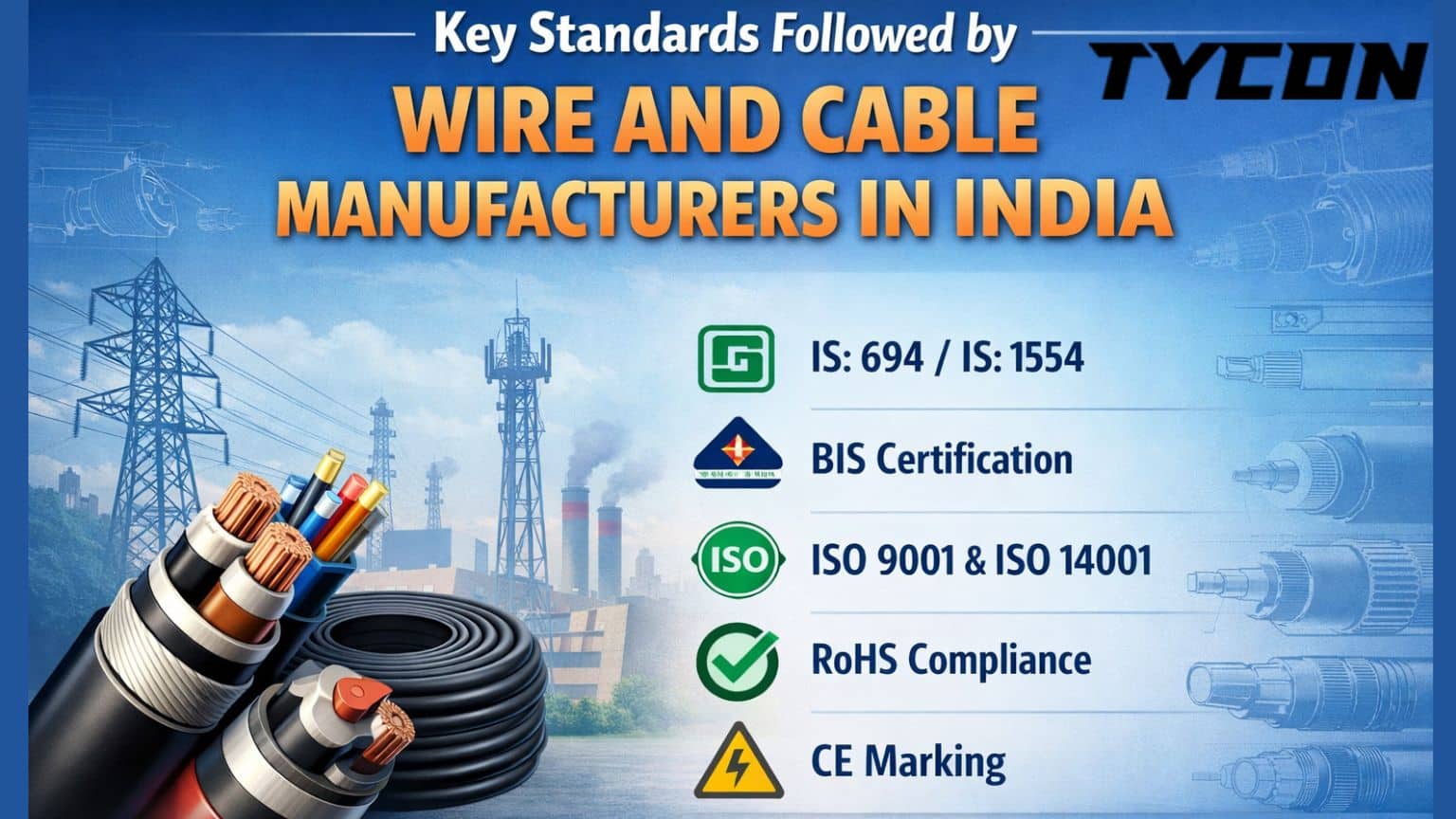
Many buyers assume that the cables used for a particular piece of equipment will be reliable for that equipment everywhere. But in reality, the difference in space creates a huge variation in how the cables work. For instance, a flexible house cable won’t be as useful in heavy-duty machinery in the manufacturing plant. Similarly, there is no benefit of using armoured cable in the concealed house electrical circuit; in fact, it makes the installation tougher. The best wire and cable manufacturers in India clearly distinguish between the cables based on their current-carrying nature, conditions in which they operate and electrical load.
Difference In Domestic and Industrial Cables
Although both domestic and industrial cables are designed for current flow, there is a significant difference in their construction.
1. Domestic Cables
These cables are used where electricity is supplied at low voltages and remains stable. They are usually installed inside the walls within conduits. The purpose is to distribute power in the household appliances, lighting circuits and switchboards.
2. Industrial Cables
These are built for delivering high performance in more challenging conditions. They supply power to heavy equipment that run for long hours. The chemicals and heat inside the industrial spaces are also a challenge to them.
Factors to Consider Before Choosing a Cable
Load and Current Carrying Capacity
Every cable has a specific capacity to carry a load and current. If the load requires a higher current than rated, the cable will heat up soon and may tear the insulation. Calculate the expected load and allow some future margin for expansion or adjustment of the load when deciding on the right capacity cable.
Conductor Design
Copper is the most widely accepted choice for both domestic and industrial cables. However, the configuration design creates a difference in application. Based on these configurations, decide on the suitable cable.
Insulation Type
The domestic cables use PVC insulation because it has sufficient dielectric strength. Industrial cables use XLPE insulation because it has better heat resistance.
Cable for Domestic Applications
House Wires: Used for internal wiring in homes, apartments, schools, offices, and commercial buildings. The R and FRLS grades provide an additional layer of safety.
Flexible Cables: These are ideal for electrical equipment that is moved frequently, such as extension boards, kitchen appliances, power tools, etc.
- PVC Power Cables: These are used to distribute electricity to the loads from the main supply.
Cables for Industrial Applications
XLPE Power Cables: These can withstand higher temperatures, so they are preferred to supply electricity within the industries.
Armoured Cables: They are used for extra mechanical protection. GI strips are commonly used between the inner and outer sheaths of these cables.
Multicore Control Cables: These are used in automated and instrumentation systems where multiple electrical connections, along with signal exchange, are required.
Final Thoughts
Whether it is the team of electricians creating an electrical network in a house, or the electrical consultants who apply their expertise in the industrial electrical loads, the choice of cables needs to be spot on. The best wire and cable manufacturers in India will supply the premium quality cables, but the decision of selection is still up to the skills and knowledge of the installation team. Tycon Cables India Pvt Ltd is a reliable partner for large businesses as well as end consumers. Our portfolio contains highly modern and reliable designs of cables and wires for broad number of applications.